Crete · four regions, zero checklists

Crete, beyond the obvious.

Crete is not a checklist. Thankfully.

Crete is Greece’s largest island. Chania, Rethymno, Heraklion and Lasithi share the same island — not the same day rhythm. Between Venetian old towns, the White Mountains, Psiloritis, Messara, Mirabello and the far east sit more than kilometres: mountain roads, coastlines, wind, light and very good reasons for a second coffee. This is not about ticking off everything. It is about planning Crete so the day still feels like a holiday.

Last reviewed: Editorial review — access, roads and local rules can change after publication.
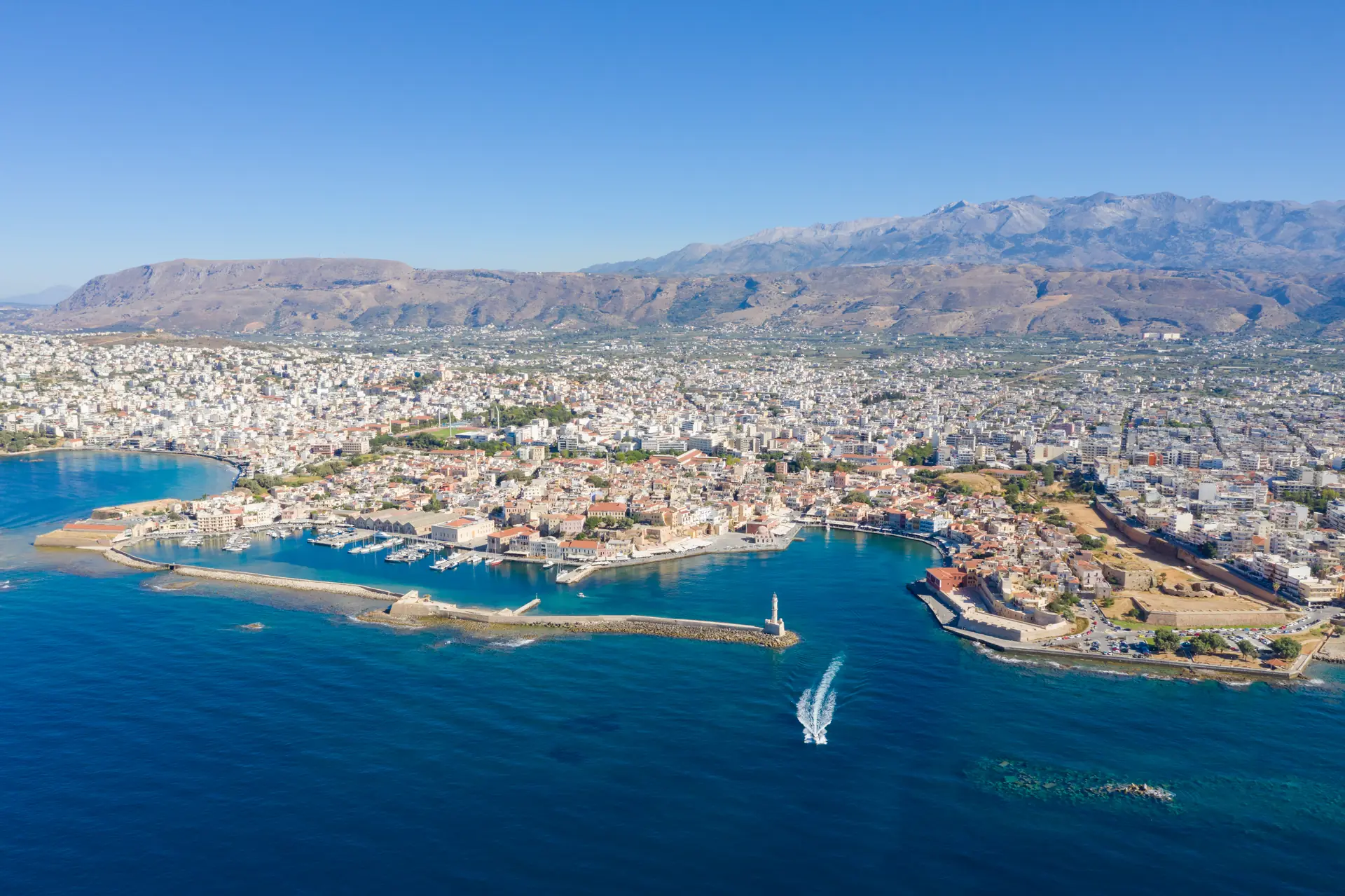
Aerial view of Chania old town and Venetian harbour.
Chania · old town and Venetian harbour
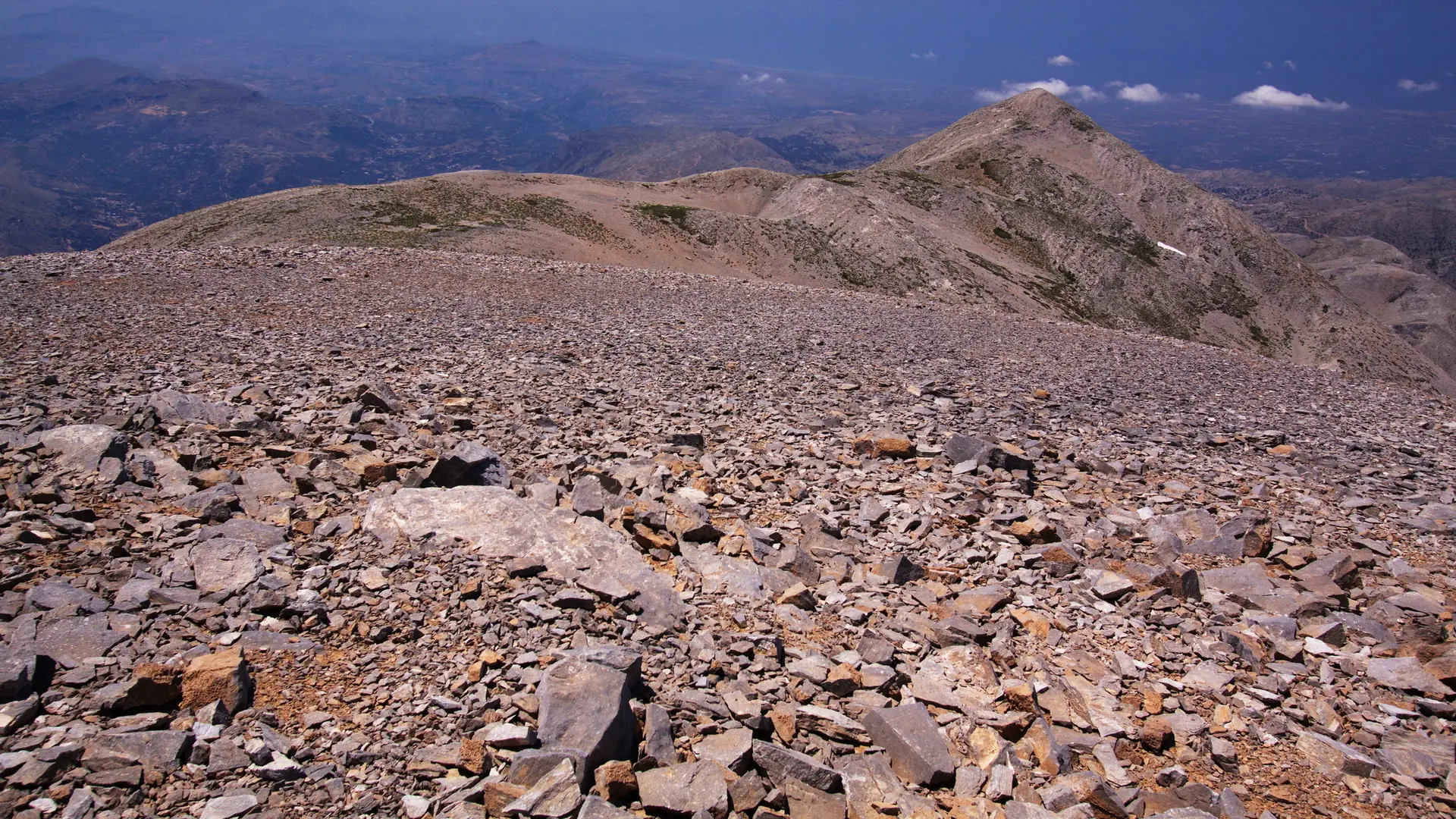
View from Psiloritis across Crete's mountain interior.
Psiloritis · Crete's mountain interior
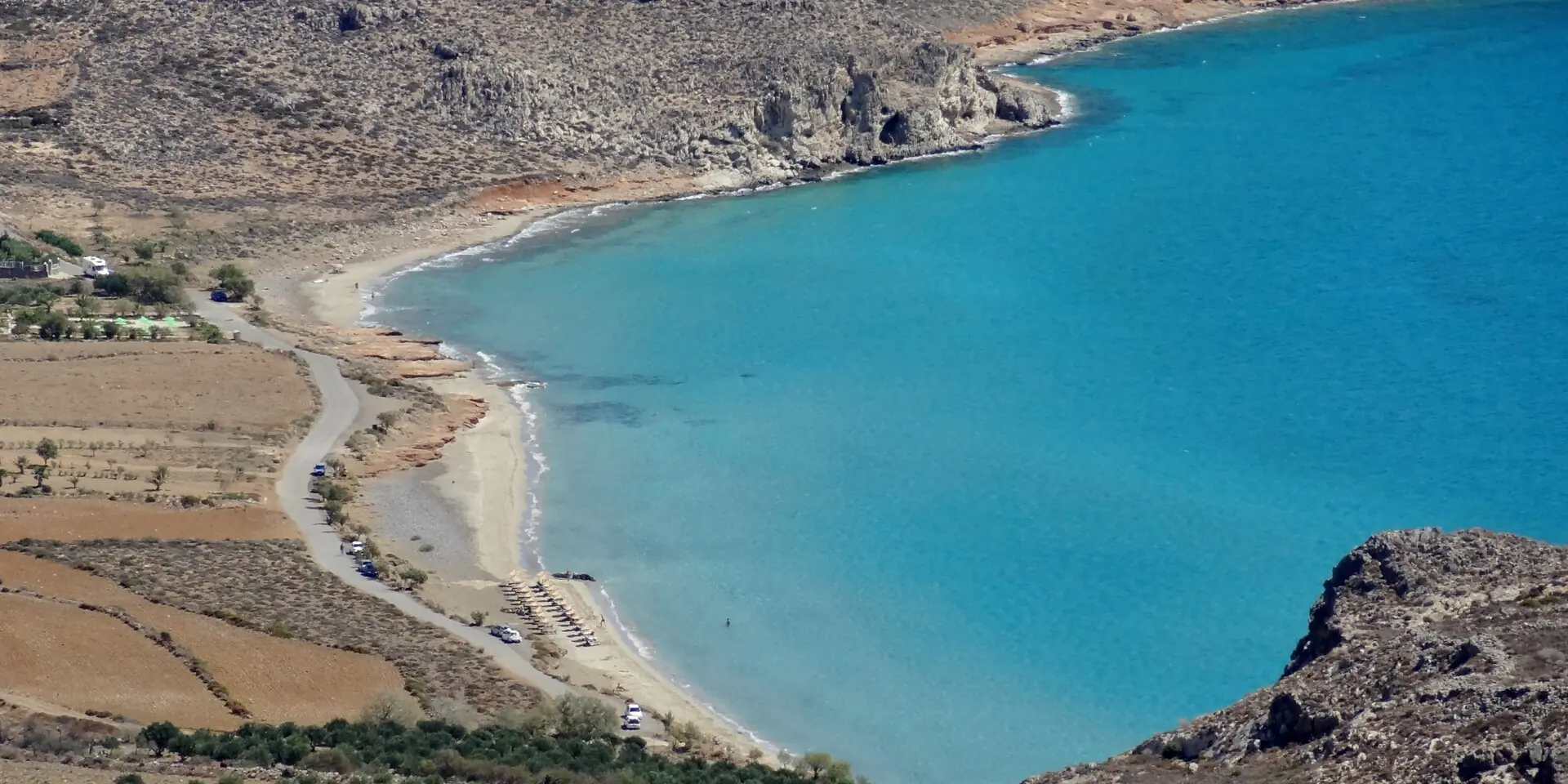
View across Mazida Ammos and the coast near Xerokampos in southeast Crete.
Mazida Ammos · Xerokampos · southeast Crete
dronepicr · CC BY 2.0Karel Stipek Austria · CC BY 4.0Olaf Tausch · CC BY 3.0Documentary Crete photography from our licensed media library. Not live conditions.
Before your saved list gets ideas

Crete is big. Your hire car cannot teleport.

Three planning truths that can save more holiday time than the next top-ten list.

  1. 01

    The map does not do the driving

    Crete’s mountains and gorges can turn short lines into real drives. Roads, bends, access and the return journey matter more than how close two pins look on a screen.

  2. 02

    Wind does not read travel forums

    “We’ll just go to the other coast” is not a reliable rule. Wind direction, exposure, topography and swell can affect nearby coves differently. For a beach day, the specific bay at the specific time matters.

  3. 03

    More pins. Less holiday.

    A good Crete day can mix town, beach, village, culture or taverna. It just has to make sense together. Three strong experiences with room between them beat five compulsory stops when the return drive becomes the main memory.

Four regions. No winner.

Which region fits your Crete day?

Chania is not Lasithi, and Rethymno is not Heraklion — that is the point. Use the four regions as a shortcut to a day that fits your base, your appetite for driving and your preferred mix of sea, mountains, culture and food, not as a ranking.

  1. 01West Crete

    Chania

    Postcard in front. Wild mountains behind.

    What really shapes the region

    Chania starts at the Venetian harbour, but it certainly does not end there. The White Mountains shape the west, alongside the northwest coast, gorges, mountain villages and the rougher south coast. That makes Chania spectacular — and big enough that Balos, Sfakia and the mountains do not automatically belong in one day.

    Places to start with

    Katholiko Gorge & Monastery

    A steep Akrotiri walk past caves and Katholiko monastery ruins to a rocky inlet. Swimming there is not permitted.

    Lykos & Finikas

    Two small coves west of Loutro, linked by the coastal E4, snorkelling and harbour history. Reach them on foot or by suitable boat.

  2. 02Between the north coast and Psiloritis

    Rethymno

    The middle that is easy to underestimate.

    What really shapes the region

    Rethymno sits between the Cretan Sea and Psiloritis, linking old town, villages, monasteries, gorges and the south coast with unusual flexibility. That also makes it easy to overpack: north and south can work together, but the mountain country between them is part of the day, not just a line on the map.

    Places to start with

    Agia Galini

    Hillside lanes, waterfront tables and a beach to the east make Agia Galini a rewarding south-coast pause with village, harbour and sea in one stop.

    Amari Village

    A historic village in the Amari Valley between Psiloritis and Kedros: a short inland stop for scenery and village life.

  3. 03Central Crete

    Heraklion

    More than Knossos. Much more.

    What really shapes the region

    Heraklion connects Crete’s largest city with Minoan history, rolling inland, Messara and the Asterousia to the south. Days work particularly well when culture, food and landscape talk to each other — rather than when three famous names simply sit next to one another on the plan.

    Places to start with

    Agiofarago Gorge & Beach

    The “Gorge of the Saints”, combining hermit caves, the chapel of Agios Antonios and a remote Libyan Sea beach.

    Martsalo Gorge & Beach

    An Asterousia gorge with date palms, hermit history, a rock-cut church and remote cove: plan it as a dedicated outing.

  4. 04East Crete

    Lasithi

    The east keeps its own pace.

    What really shapes the region

    Mirabello, Dikti, Sitia, Palekastro, Ierapetra and Xerokampos show how varied East Crete can be. The region is expansive; treat it that way and there is room for strong combinations — coast and village, plateau and taverna, archaeology and sea.

    Places to start with

    Agia Fotia Beach

    Agia Fotia east of Ierapetra is a compact bay with fine pebble and sand, clear water, natural shade and nearby tavernas — comfortable without becoming forgettable.

    Amazonas Park

    Compact animal park near Kourounes north of Neapoli: parrots, lemurs and supervised feeding; car or taxi is the most practical way to get there.

What the map cannot feel

Do not plan Crete in kilometres. Plan it in real days.

Topography, roads, coastal exposure and time of day decide together whether an idea feels relaxed or ambitious. That is not a reason to see less — just a very good reason to combine better.

Road, not ruler
Mountains, gorges, pass roads and coastlines make travel time a real planning factor. A short distance can still take a large bite out of the day.
Wind, not coast clichés
In summer, the Meltemi can shape exposed coasts. That does not make southern or eastern coves automatically calm: wind direction, exposure, terrain and swell can affect nearby bays differently, so good beach planning does not start with one compass point.
Rhythm, not stopwatch
Light, heat, crowds, a meal and the return drive can change how a place works through the day. Good planning leaves deliberate room — not just spare minutes between pins.
Short question. Useful answer.

Crete questions where “it depends” is, for once, the useful answer.

Which region of Crete suits me?
For city life, the wild west coast and mountains, Chania is a strong base. Rethymno works well for flexible combinations between the north coast, the Psiloritis area and the south. Heraklion brings together city, Minoan history, inland Crete and Messara. Lasithi opens Mirabello, Dikti and the wide east. The deciding factors are still where you stay and how much driving you genuinely want in a holiday day.
Do I need more than one place to stay on Crete?
Not necessarily. For a shorter trip, one base can be wonderfully simple. If you want to explore both West Crete and the far east in depth, a split stay can reduce repeated cross-island drives. Whether moving is worth it depends on trip length, must-haves and your personal tolerance for repacking.
Can I combine the north and south coasts in one day?
Yes — and sometimes very well. But your starting point, the mountain crossing, time on site and the return journey decide whether it stays enjoyable. A short line across the island can become a road-heavy day, so the useful question is not only “Can we?” but “Will there still be enough holiday left?”
Which coast of Crete is better when it is windy?
There is no reliable “wind-free side” of Crete. Wind direction, exposure, topography and swell can affect neighbouring coves differently. For your travel date, the specific bay matters more than a blanket north-versus-south rule.
How many stops make sense in one Crete day?
There is no magic number. A long beach or hiking day may need only two main moments; a town, village and food day can carry more. The useful measure is not stop count, but whether driving, time on site and the return journey still fit comfortably together.
Your Crete. Not our checklist.

Tell us where you are staying and what you are in the mood for. We will do the planning Tetris.

Add your base, travel date, time window, pace, interests, must-haves and no-gos. The preview connects suitable places with realistic road travel and a day rhythm that still feels like a holiday. No “we can squeeze that in”. No spreadsheet tourism.